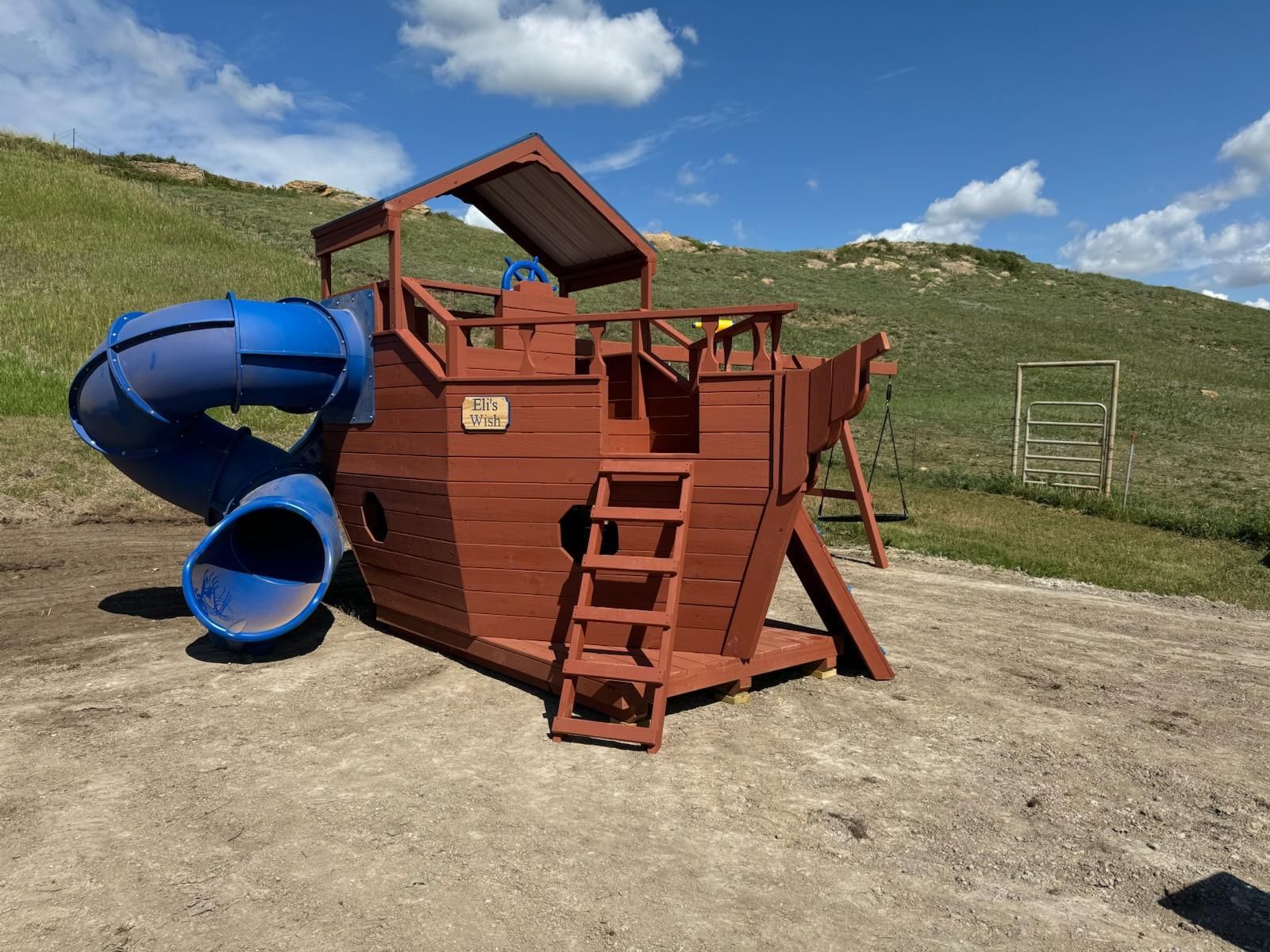
What to Know About Ground Surfacing Around Playsets: Mulch, Rubber, Sand, or Grass?
When installing a backyard playset, most homeowners focus on the structure itself. But one of the most important decisions you can make is what goes underneath it.
The right ground surfacing improves safety, reduces injuries, and helps your playset last longer. Whether you are building a new play area or upgrading an existing one, choosing between mulch, rubber, sand, or grass can make a big difference.
At Emerald Playsets, we help families create safe and long-lasting backyard play environments. Here is what you need to know about the most common surfacing options and which one is right for your space.
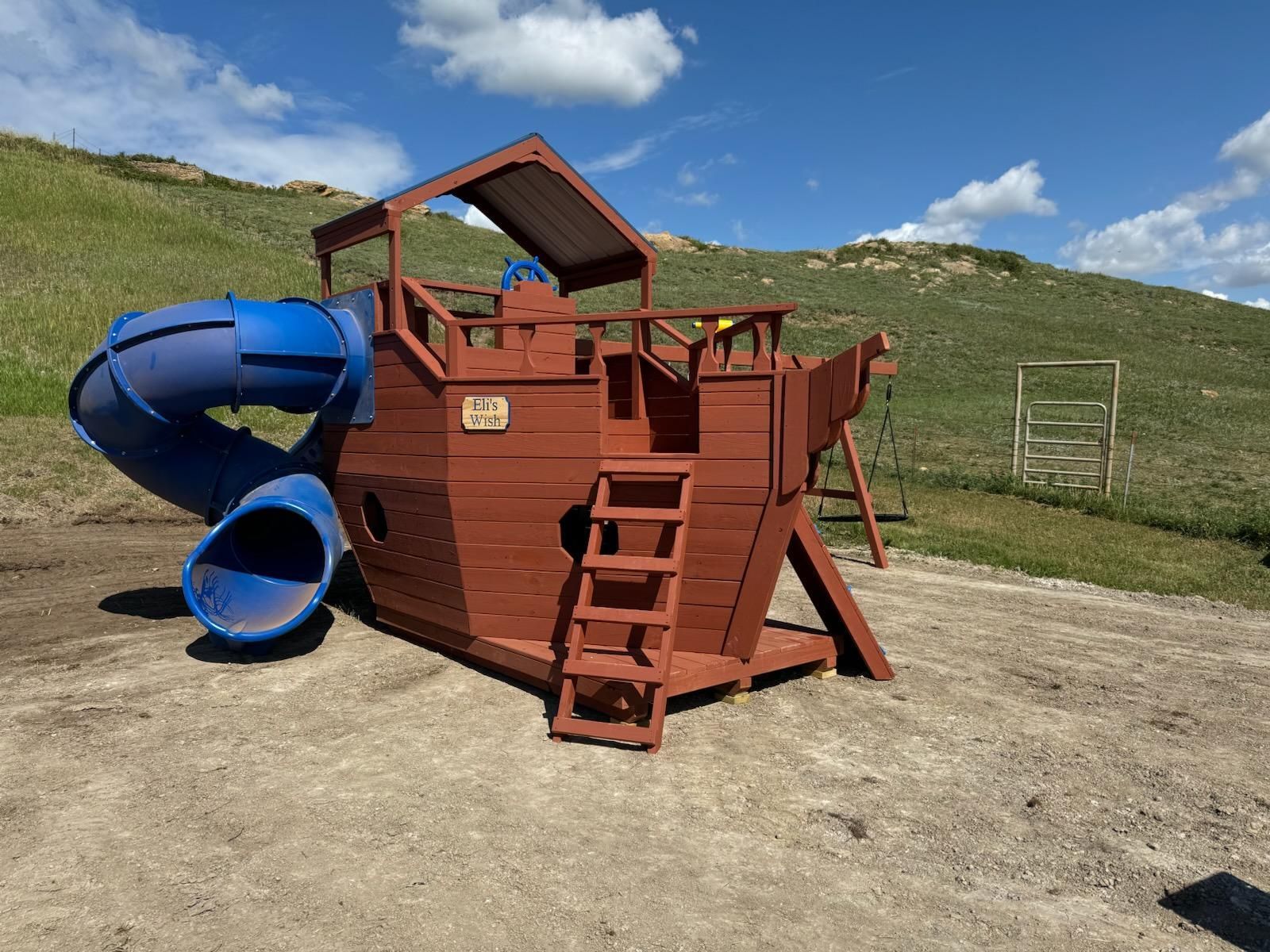
Why Ground Surfacing Matters
Playsets are designed for fun, but they also come with risks from slips, trips, and falls. Proper surfacing helps:
- Absorb impact and reduce injury risk
- Prevent mud and erosion
- Improve drainage
- Keep the play area clean and usable
According to safety guidelines, having the right surface material is just as important as choosing a high-quality playset.
1. Mulch: A Popular and Budget-Friendly Choice
Mulch is one of the most widely used options for backyard playsets.
Pros:
- Affordable and easy to install
- Good shock absorption
- Natural look that blends with landscaping
Cons:
- Needs to be replenished over time
- Can shift or scatter outside the play area
- May attract insects if not maintained
Best for:
Families looking for a cost-effective, natural solution with solid safety performance.
2. Rubber Mulch: Long-Lasting and Low Maintenance
Rubber mulch is a premium option designed specifically for playground safety.
Pros:
- Excellent impact absorption
- Does not decompose like wood mulch
- Stays in place better over time
- Low maintenance
Cons:
- Higher upfront cost
- Can get warm in direct sunlight
Best for:
Homeowners who want a long-term solution with minimal upkeep.
3. Sand: Soft and Play-Friendly
Sand is a classic playground material that doubles as a play feature.
Pros:
- Soft landing surface
- Encourages creative play
- Relatively inexpensive
Cons:
- Can get messy and spread easily
- Requires regular leveling
- May attract animals if not covered
Best for:
Younger children and families who want a multi-use play area.
4. Grass: Natural but Less Protective
Grass is often the default surface in many backyards, but it has limitations.
Pros:
- No installation required
- Natural and visually appealing
- Comfortable for light use
Cons:
- Poor impact absorption compared to other materials
- Wears down quickly under heavy use
- Can become muddy or uneven
Best for:
Low-height playsets or areas with minimal activity.
How to Choose the Right Surface
The best option depends on your priorities:
- Safety first? Choose rubber mulch or engineered wood mulch
- Low maintenance? Rubber mulch is the top choice
- Budget-friendly? Traditional mulch or sand
- Natural look? Mulch or grass
You should also consider:
- Drainage in your yard
- The height of the playset
- How often the area will be used
Recommended Depth for Safety
No matter which material you choose, depth is key.
Most safety guidelines recommend:
- 6 to 12 inches of loose-fill material like mulch or sand
This helps properly absorb impact from falls.
Creating a Safe and Long-Lasting Play Area
A great playset deserves a safe foundation. Investing in the right ground surfacing not only protects your children but also keeps your backyard looking clean and functional.
At Emerald Playsets, we help families design complete play environments, not just install equipment. From selecting the right playset to advising on proper surfacing, our team ensures your backyard is built for both fun and safety.
Ready to Build the Perfect Backyard Play Space?
If you are planning a new playset or upgrading your current one, choosing the right ground surface is a key step.
Emerald Playsets can help you create a backyard space your kids will love and you can feel confident about.
Contact us today to get started on your custom play area.